
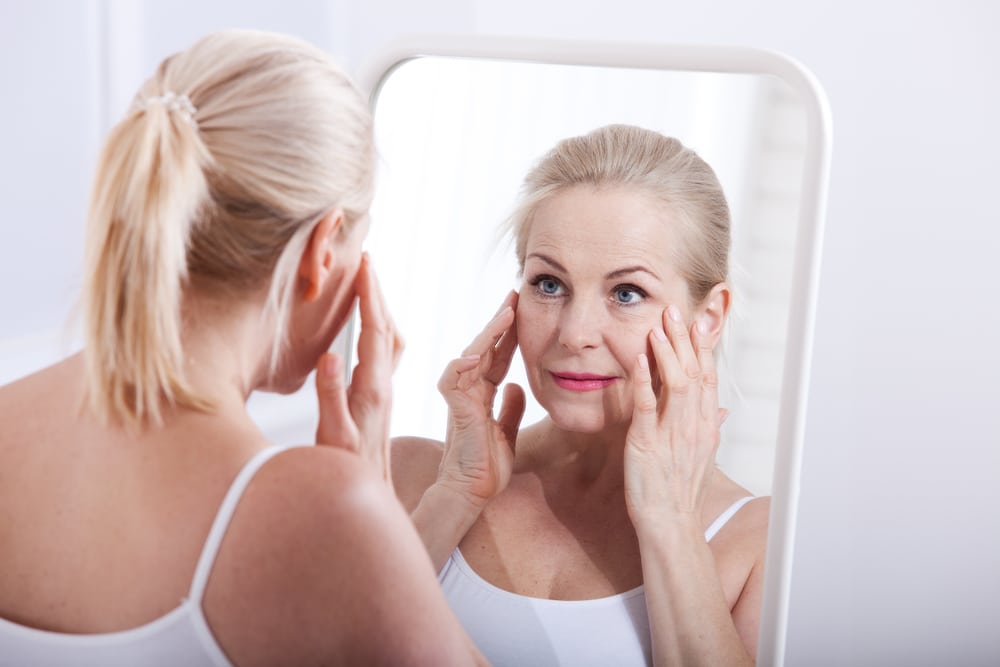
 Swelling after a facelift is usually most noticeable during the early days of recovery, then gradually decreases over the next several weeks. Most people feel comfortable returning to public activities within one to two weeks, but some swelling can linger as your face continues healing. In fact, the final appearance may continue to refine for three to six months.
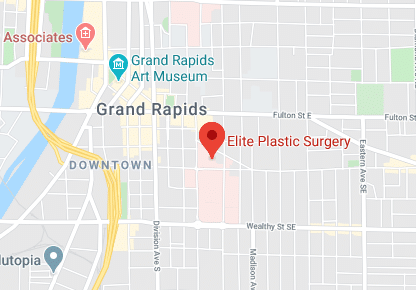
Elite Plastic Surgery offers facial procedures in Grand Rapids, MI. The team includes Dr. Shannon Armstrong, Dr. William Cullen, Dr. Matthew Martin, and Dr. Matthew Fahrenkopf. All four are certified by the American Board of Plastic Surgery and have advanced training in cosmetic and reconstructive surgery.
What Does Facelift Swelling Look Like During the First Week?
Some swelling, bruising, tightness, numbness, and discomfort are expected right after a facelift. Your face can look fuller or puffier than you expected during this stage, which doesn’t reflect your final result.
During the first 72 hours, you’ll likely be instructed to keep your head elevated while resting and sleeping. Cold compresses may also help with swelling and discomfort. Depending on your surgery, you could have a compression dressing or small drains for a short time after you go home.
As the first week progresses, swelling and bruising generally begin to improve. Sutures are commonly removed around five to seven days after surgery.
How Much Swelling Is Left After Two Weeks?
By the one- to two-week mark, bruising and swelling have typically improved enough that many people feel more comfortable being seen socially. It’s generally advised that you can return to work after about 10 to 14 days, although your job and the extent of your surgery may change that timeline.
You can usually begin returning to normal daily activities around two weeks after your procedure. Physical activity returns slowly, starting with lighter exercise before moving to more strenuous workouts. Your surgeon will let you know when specific activities are appropriate for you.
It’s normal for your face to still look somewhat swollen at this stage. One side might also heal a little differently from the other early on.
When Does Facelift Swelling Completely Go Away?
Most obvious swelling improves during the first few weeks, but subtle swelling can take considerably longer to disappear. Facelift results may continue refining for approximately three to six months as residual swelling resolves.
Your personal timeline depends on factors such as the extent of your facelift, the technique used, your natural healing rate, and how closely you follow post-surgical instructions.
Learn More About Facelift Recovery in Grand Rapids, MI
Knowing that swelling changes gradually may make it easier to plan time away from work, exercise, and social events. Contact Elite Plastic Surgery at 616-459-1907 to learn more about facelift recovery in Grand Rapids, MI.

Comments are closed.