
 The intricate network of nerves in the hand and wrist requires exceptional precision when injury occurs.
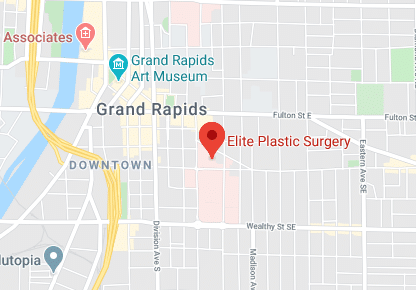
At Elite Plastic Surgery in Grand Rapids, Michigan, board-certified surgeons Dr. Shannon Armstrong, Dr. Matthew Martin, and Dr. Matthew Fahrenkopf specialize in complex nerve repair. Their expertise in microsurgery and reconstructive techniques helps restore sensitivity and dexterity for patients recovering from traumatic or chronic nerve injuries.
When Nerve Repair Surgery Is Needed
Nerve surgery is often recommended for severe injuries that cause loss of movement, pain, or numbness. These injuries may result from deep lacerations, fractures, or crush trauma that affects the nerves of the hand or wrist.
Prompt evaluation is critical, as repairing nerves early increases the chance of a successful outcome and better long-term recovery.
How Elite Plastic Surgery Performs Nerve Repair
Nerve repair surgery at Elite Plastic Surgery starts with identifying the type of nerve injury: clean cut, crushed, stretched, or a combination. This determines whether the nerve can be directly reconnected or if a graft is needed to bridge the gap.
When direct repair is possible, the two ends of the nerve are carefully aligned and sutured using ultra-fine stitches under a microscope. If the nerve has been damaged beyond a simple repair, a nerve graft taken from another part of the body is used to restore continuity. In cases involving multiple injured structures, such as blood vessels or tendons, those may be repaired during the same procedure.
Microsurgery plays a key role throughout. Specialized instruments and magnification allow the surgical team to reconnect structures that are only millimeters in size.
After Surgery
Following nerve repair, the hand or wrist is typically placed in a splint or cast to limit movement and protect the surgical site.
Nerves regenerate slowly—often just a millimeter a day—so it may take weeks to months before you notice improvement. Once healing has progressed enough, you’ll begin physical or occupational therapy to encourage mobility and strengthen the surrounding muscles.
Therapy may include guided exercises, manual techniques, and sensory re-education to help the body relearn how to process touch and movement. The exact plan depends on the type of injury and how much function needs to be restored. Regular follow-up is important to monitor progress and adjust care as needed.
Restoring Function With Expert Surgical Care
Nerve repair surgery can dramatically improve quality of life for those recovering from hand or wrist trauma. The experienced surgeons at Elite Plastic Surgery in Grand Rapids, MI, use advanced microsurgery to restore movement and sensation with care. To schedule a consultation, call 616-459-1907.

Comments are closed.