
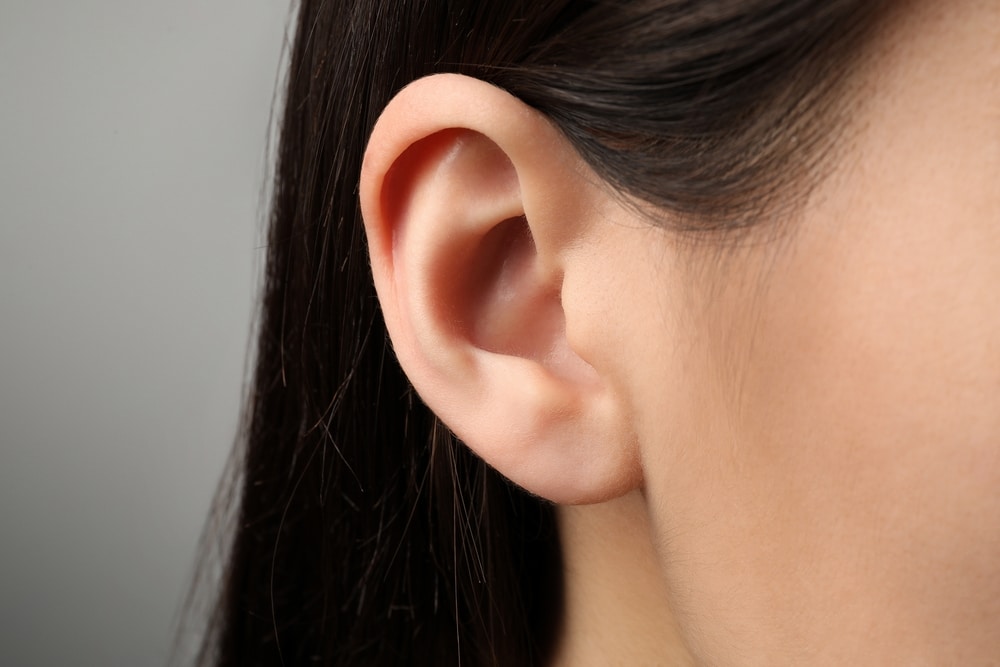
 Ears that protrude or have an irregular shape can draw attention away from the other facial features. Cosmetic reshaping changes their position or contour without affecting hearing. Ear surgery, also called otoplasty, is one of the facial plastic surgery options available through Elite Plastic Surgery in Grand Rapids. William T. Cullen, MD, FACS is certified by the American Board of Plastic Surgery, has more than 20 years of experience, and lists ear surgery among the procedures he performs.
What Can Otoplasty Correct?
The procedure can bring protruding ears closer to the head, reshape cartilage, improve asymmetry, or correct a folded or irregular contour. The surgical plan is based on the structure of the cartilage and the specific feature the patient would like to change.
Elite Plastic Surgery also treats stretched, torn, or creased earlobes. However, earlobe repair is usually a more limited procedure than full ear reshaping.
Who May Be a Candidate?
Both children and adults may qualify for treatment. A younger patient’s ears should be sufficiently developed, and the child must be able to follow postoperative instructions. Parents may consider surgery when prominent ears cause ongoing self-consciousness or unwanted attention.
Older patients often seek correction for a lifelong concern or a change caused by injury. Good general health and realistic expectations are important at any age. The practice’s guide to candidacy for otoplasty discusses these considerations in more detail.
What Happens During Ear Surgery?
The surgeon usually places an incision behind the ear within a natural crease. Through that opening, cartilage can be sculpted, bent, or repositioned. A small amount of skin may also be removed when needed to reduce projection.
Sutures hold the cartilage in its new position while the tissues heal. Both ears may be treated to improve overall proportion, even when one side is noticeably more prominent than the other.
Otoplasty is typically an outpatient procedure and generally takes two to three hours. The type of anesthesia depends partly on the patient’s age and the treatment plan. Younger children commonly receive general anesthesia, while older patients may be treated with local anesthesia and sedation.
Recovery, Scarring, and Results
A protective dressing covers the ears after surgery. Aching or throbbing may continue for a few days, and patients are generally instructed to avoid sleeping on their sides for two weeks.
Light activity may resume after about a week, although individual healing times differ. Dr. Cullen will explain when it is safe to return to exercise, sports, and other activities that could place pressure on the ears.
Incisions are usually concealed behind the ears, and the resulting scars often become less visible as they mature. No two natural ears are perfectly identical, so the aim is better proportion and balance rather than exact symmetry.
The otoplasty before-and-after gallery can provide a general sense of possible changes. Patients concerned specifically about damage from gauges or heavy earrings can also read about repairing stretched earlobes.
Ask About Otoplasty in Grand Rapids
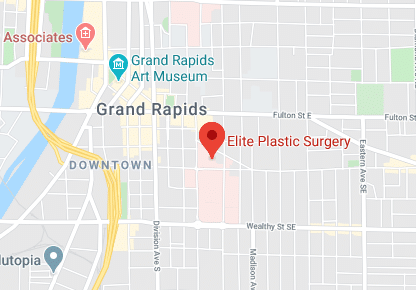
A consultation provides an opportunity to discuss whether otoplasty is suitable for you or your child and what degree of correction may be realistic. Call Elite Plastic Surgery in Grand Rapids at 616-459-1907 or schedule a consultation to discuss the ear shape, incision plan, and recovery process.

Comments are closed.